Smartwool Washing Instructions: A Comprehensive Guide (Updated 04/21/2026)
Smartwool garments are celebrated for their comfort and durability, yet require mindful care to maintain peak performance. Wool’s natural properties
mean frequent washing isn’t needed, resisting bacterial growth and odors effectively.
Understanding Smartwool Fabric
Smartwool isn’t simply “wool”; it’s primarily crafted from Merino wool, a specific breed of sheep renowned for its exceptionally fine fibers. These fibers are significantly smaller in diameter than traditional wool, resulting in a fabric that’s remarkably soft, not itchy, and incredibly comfortable against the skin.
The fineness of Merino wool also contributes to its superior moisture-wicking capabilities. It can absorb a substantial amount of moisture – up to 30% of its weight – while still maintaining insulation. This is crucial for regulating body temperature in various conditions, keeping you warm when it’s cold and cool when it’s warm.
Furthermore, Smartwool often incorporates synthetic fibers, like nylon or polyester, into its blends. These additions enhance the fabric’s durability, elasticity, and resistance to abrasion, making Smartwool garments suitable for active lifestyles and repeated wear. Understanding this blend is key to proper care.
The Natural Properties of Merino Wool
Merino wool possesses inherent qualities that minimize the need for frequent washing. Its complex fiber structure naturally resists the buildup of odor-causing bacteria. Unlike synthetic fabrics, wool doesn’t trap these bacteria, allowing air to circulate and preventing unpleasant smells from developing. This antimicrobial property is a significant advantage for activewear and base layers.
Beyond odor control, Merino wool is also remarkably effective at regulating temperature. The fibers contain microscopic crimps that create tiny air pockets, providing insulation in cold weather. Simultaneously, the wool wicks moisture away from the skin, allowing it to evaporate and keeping you cool in warmer conditions.
Finally, Merino wool is a renewable and sustainable resource. Sheep regrow their fleece annually, and wool is biodegradable, making it an environmentally friendly choice. These natural attributes contribute to the longevity and overall value of Smartwool products;
Why Frequent Washing Isn’t Necessary
Over-washing Smartwool can actually diminish its performance and lifespan. The natural properties of Merino wool, specifically its antimicrobial nature, significantly reduce the need for constant cleaning. Washing breaks down the wool fibers, leading to a loss of elasticity, shape, and insulating capabilities.
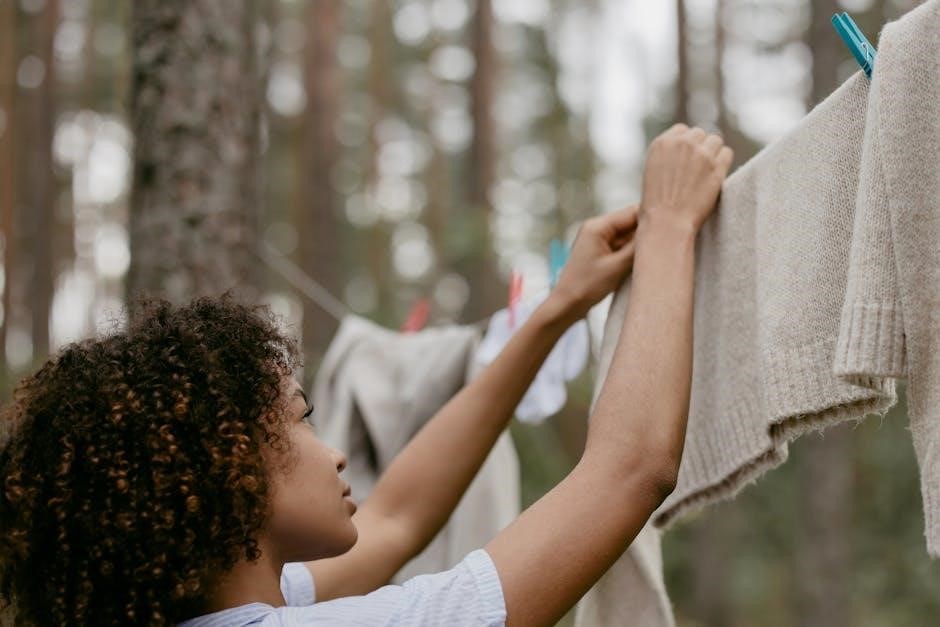
Because wool naturally resists odor, you can often air out your Smartwool garments between wears instead of immediately resorting to the washing machine. This simple practice extends the time between washes and preserves the integrity of the fabric. Spot cleaning minor stains is also preferable to a full wash whenever possible.
Embracing a “wash less, wear more” philosophy not only benefits your Smartwool clothing but also conserves water and energy. Trust in the inherent qualities of Merino wool to keep your gear fresh and functional for longer.
Identifying Odor and Soil
Determining when your Smartwool truly needs washing goes beyond simply noticing it’s been worn. While Merino wool naturally resists odors, prolonged use, especially during strenuous activity, can lead to bacterial buildup and noticeable smells. A simple sniff test is a good starting point – focus on areas prone to sweat, like underarms and the back.
Visual inspection is equally important. Look for visible dirt, mud, or stains. Even seemingly minor soil can compromise the wool fibers over time. Pay close attention to cuffs, knees, and elbows, as these areas often experience more abrasion and contact with surfaces.
Consider the activity level during wear. Light use may only require airing out, while intense workouts or prolonged exposure to the elements necessitate washing. Trust your senses and assess both odor and visible soiling before initiating a wash cycle.
Pre-Treatment for Stains
Addressing stains promptly is crucial for maintaining the appearance and longevity of your Smartwool garments. Before machine or hand washing, pre-treating specific stains can significantly improve results; For fresh stains, gently blot – never rub – with a clean, damp cloth to avoid spreading the discoloration.
For oil-based stains, a sprinkle of cornstarch or baking soda can help absorb the oil. Let it sit for at least 30 minutes before brushing it off. For protein-based stains like blood or grass, use cool water and a mild enzyme detergent. Avoid hot water, as it can set the stain.
Always test any cleaning solution on an inconspicuous area first to ensure colorfastness. A diluted solution of wool-specific detergent can also be applied directly to the stain, gently worked in, and then rinsed thoroughly before washing the entire garment.
Machine Washing Smartwool: The Correct Method
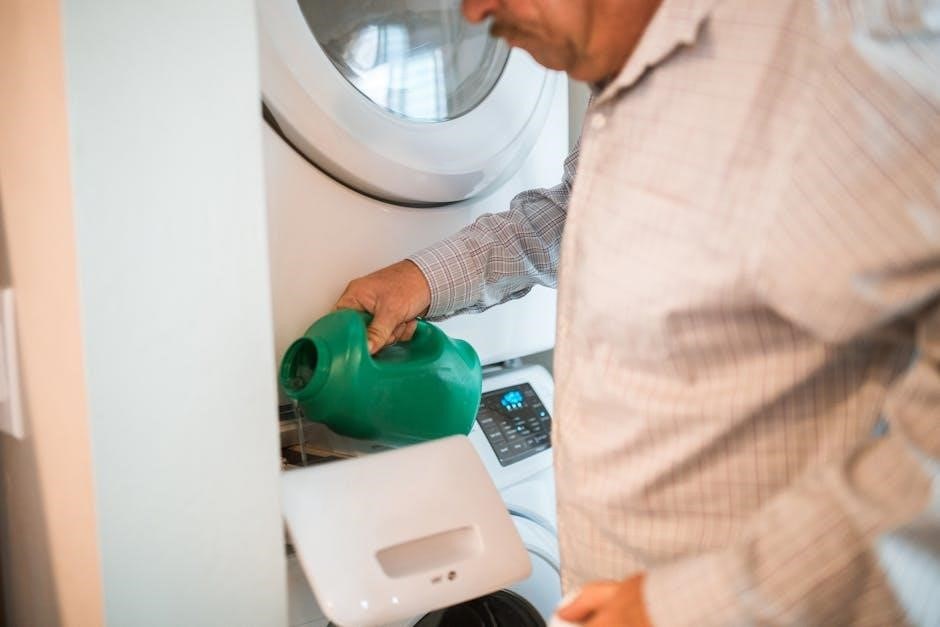
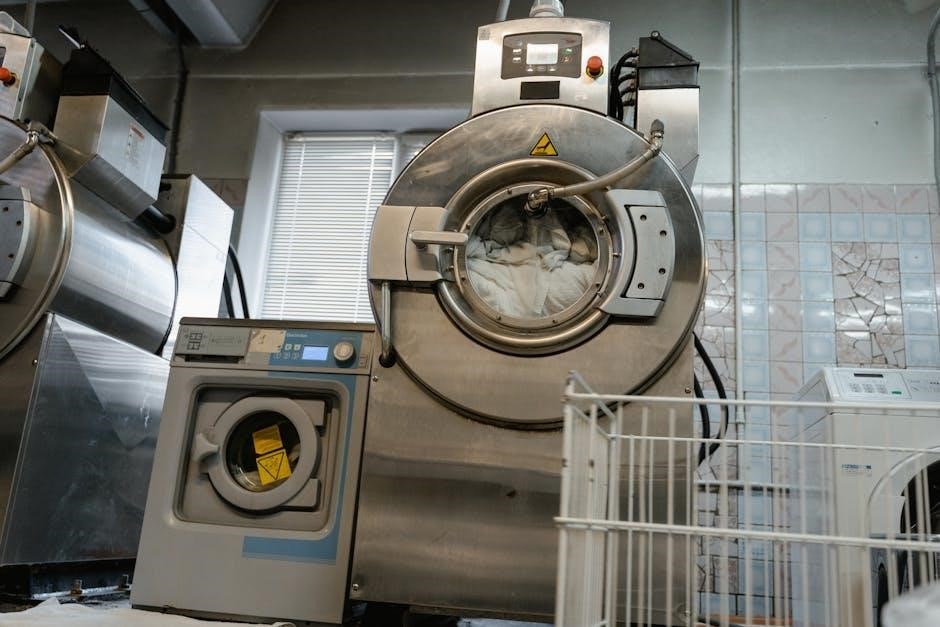
When machine washing Smartwool, adherence to specific guidelines is paramount to prevent damage and maintain fabric integrity. Begin by turning the garment inside out to protect the outer fibers. Place Smartwool items inside a mesh laundry bag; this provides an extra layer of protection against abrasion during the wash cycle.
Selecting the appropriate wash settings is vital. Always use a cold water temperature – warm or hot water can cause shrinkage and felting. Opt for a gentle or delicate cycle, minimizing agitation. Avoid using bleach or fabric softeners, as these can break down the wool fibers and diminish their natural properties.
Proper detergent selection is equally important; choose a detergent specifically formulated for wool or delicate fabrics. Regular detergents often contain harsh enzymes that can harm merino wool.
Water Temperature: Cold is Key
Maintaining a cold water temperature is arguably the most crucial aspect of successfully machine washing Smartwool. Merino wool fibers are highly sensitive to heat, and even moderately warm water can initiate a process called felting. Felting causes the fibers to tighten and interlock, resulting in shrinkage and a loss of the garment’s original shape and softness.
Cold water, typically below 85°F (29°C), minimizes this risk. It allows the detergent to effectively clean the fibers without causing them to constrict. Using cold water also helps preserve the natural oils within the wool, contributing to its inherent moisture-wicking and odor-resistant properties.
Always check your washing machine settings to ensure the water temperature is set to cold. Avoid using warm or hot water settings, even if the garment care label doesn’t explicitly prohibit them. Prioritizing cold water is a simple yet highly effective way to extend the lifespan and maintain the quality of your Smartwool clothing.
Detergent Selection: Wool-Specific is Best
Choosing the right detergent is paramount when caring for Smartwool garments. Conventional laundry detergents often contain harsh enzymes and chemicals – like protease – designed to break down proteins. Merino wool is protein-based, meaning these enzymes can damage the fibers, leading to reduced performance and durability.
Opt for detergents specifically formulated for wool or delicate fabrics. These detergents are pH-neutral and lack the damaging enzymes found in standard options. They gently clean the wool fibers without stripping away their natural oils, preserving the fabric’s softness and moisture-wicking capabilities.
Avoid detergents with bleach, brighteners, or fabric softeners, as these can also be detrimental to wool. A small amount of wool-specific detergent is all that’s needed; excessive suds can be difficult to rinse out completely. Investing in a quality wool detergent is a small price to pay for protecting your Smartwool investment.
Wash Cycle: Gentle or Delicate
Selecting the appropriate wash cycle is crucial for preserving the integrity of your Smartwool clothing. Always choose the “Gentle” or “Delicate” cycle on your washing machine. These cycles utilize slower agitation speeds, minimizing friction and stress on the delicate merino wool fibers. Vigorous agitation can cause pilling, stretching, and even breakage of the fibers, shortening the lifespan of your garments.
Avoid using the “Permanent Press” or “Normal” cycles, as these typically involve higher spin speeds and more aggressive washing actions. A slower spin cycle is also preferable, as it reduces wrinkling and helps maintain the shape of the clothing.
Consider using a mesh laundry bag to further protect your Smartwool items during the wash cycle, especially for smaller pieces like socks or base layers. This provides an extra layer of defense against snagging and abrasion, ensuring they remain in excellent condition for longer.
Hand Washing Smartwool: A Gentle Alternative
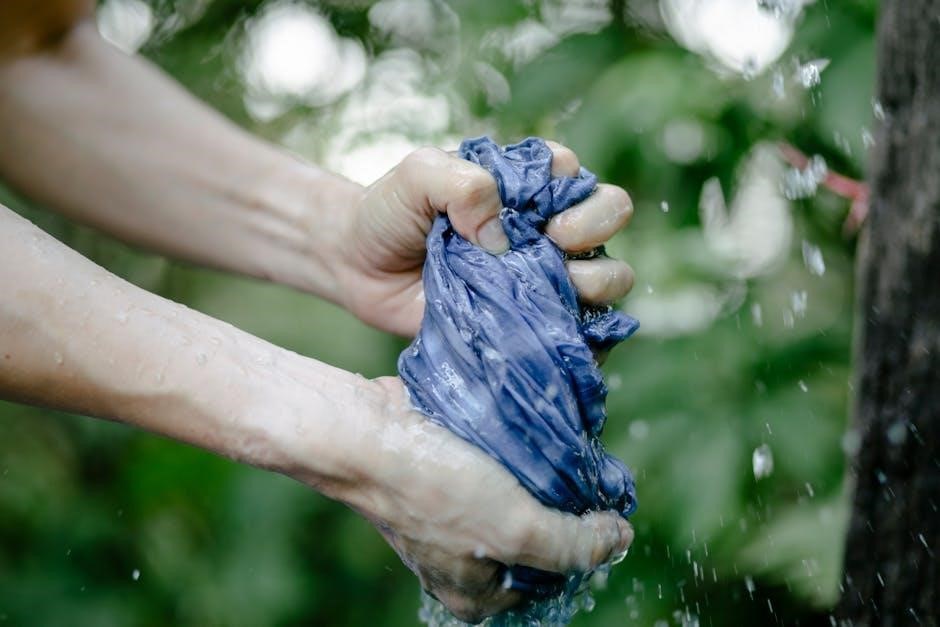
For particularly delicate Smartwool items, or if you prefer a more controlled cleaning process, hand washing is an excellent option. Fill a clean basin or sink with cool water and add a small amount of wool-specific detergent. Gently submerge the garment and swirl it around, allowing the detergent to penetrate the fibers. Avoid rubbing or twisting the fabric, as this can cause felting and damage.
Let the item soak for approximately 10-15 minutes, then gently rinse it under cool, running water until all traces of detergent are removed. Avoid wringing out the garment; instead, gently press out excess water.
To remove even more water, roll the item in a clean towel and press gently. Hand washing is ideal for items with intricate details or those you want to treat with extra care, ensuring they remain soft and maintain their shape.
Drying Smartwool: Avoiding Damage
Proper drying is crucial to preserving the integrity of your Smartwool garments. Heat is the enemy of wool, so avoid direct sunlight or high temperatures. While tumble drying is possible, it should be approached with extreme caution, as it carries a significant risk of shrinkage and damage to the fibers.
Air drying is always the preferred method. Gently reshape the garment and lay it flat on a clean, dry towel or drying rack, away from direct heat. Ensure good air circulation to speed up the drying process. Avoid hanging wet Smartwool, as the weight can stretch the fabric out of shape.
If you must use a dryer, select the lowest heat setting or an air-fluff cycle. Remove the garment promptly once dry to prevent overheating. Remember, patience is key when drying Smartwool – a slow, gentle dry will ensure your clothing lasts longer.
Air Drying: The Preferred Method
Air drying is unequivocally the best way to maintain the shape, softness, and longevity of your Smartwool clothing. This gentle process minimizes stress on the delicate merino wool fibers, preventing shrinkage and preserving their natural elasticity. Avoid the temptation to speed things up with direct heat sources like radiators or direct sunlight, as these can cause damage.
Begin by gently squeezing out excess water – do not wring or twist the garment. Then, carefully reshape it to its original form. Lay the Smartwool item flat on a clean, dry towel or a dedicated drying rack. Ensure adequate air circulation around the garment for efficient drying.
Turning the garment over periodically will promote even drying. While it may take longer than machine drying, the benefits of preserving your Smartwool’s quality far outweigh the extra time. This method is especially vital for delicate items like base layers and socks.
Tumble Drying: Use with Extreme Caution
While technically possible, tumble drying Smartwool is strongly discouraged and should only be considered as a last resort. The high heat associated with most dryer settings can irrevocably damage the merino wool fibers, leading to shrinkage, felting, and a loss of the garment’s inherent softness and shape. If you absolutely must use a dryer, proceed with extreme caution.
Select the lowest heat setting – ideally an “air fluff” or “delicate” cycle with no heat. Place the Smartwool item inside a mesh laundry bag for added protection. Check the garment frequently throughout the drying process to prevent overheating.
Remove the item while it is still slightly damp and lay it flat to finish air drying. Even with these precautions, tumble drying carries a significant risk of damage. Prioritizing air drying will always yield the best results and extend the life of your Smartwool clothing considerably.
Specific Smartwool Product Care
Smartwool’s diverse product line necessitates slightly tailored care approaches. Socks, experiencing direct foot contact, benefit from washing after each wear, though a gentle cycle is still crucial. Base layers, worn close to the skin, should be washed when odor develops, or after intense activity, preserving their moisture-wicking capabilities.
Outerwear, like jackets and sweaters, requires the least frequent washing. Spot clean when possible and wash only when visibly soiled or losing loft. Always ensure zippers are closed and pockets are empty before laundering. Consider using a waterproof-specific wash for enhanced protection.
Remember that consistent, gentle care extends the lifespan of each item. Following these product-specific guidelines ensures optimal performance and longevity, maximizing your investment in Smartwool’s quality and comfort. Prioritize preventative care over aggressive cleaning methods.
Smartwool Socks: Extending Their Life
Smartwool socks are a staple for outdoor enthusiasts, demanding specific care to maintain their cushioning and odor resistance. Due to direct contact with feet, washing after each wear is recommended, but avoid harsh detergents. Turn socks inside out to minimize abrasion during the wash cycle, preserving the inner fibers.
Utilize a mesh laundry bag for added protection, preventing snagging and stretching. While machine washing is acceptable on a gentle cycle, hand washing offers the most delicate clean. Avoid hot water, as it can shrink the wool and compromise its shape. Air drying is strongly preferred; never use direct heat.
Regular, gentle washing prevents buildup of oils and debris, extending the sock’s lifespan. Proper care ensures continued comfort, moisture management, and odor control, making your Smartwool socks a long-lasting investment. Avoid fabric softeners, as they coat the fibers.
Smartwool Base Layers: Maintaining Performance
Smartwool base layers are crucial for regulating body temperature during various activities, requiring careful washing to preserve their performance. These layers benefit from washing after each use, especially after strenuous exercise, to remove sweat and oils that diminish their wicking ability.
Always turn garments inside out before washing to protect the exterior face from abrasion. Employ a wool-specific detergent, avoiding those with enzymes or bleach, which can break down the fibers. A gentle cycle in cold water is essential; hot water causes shrinkage and fiber damage.
Air drying is the optimal method, laying the base layers flat to maintain their shape. Avoid direct sunlight, which can fade colors. While tumble drying is possible, use the lowest heat setting and remove promptly to prevent overheating. Consistent, gentle care ensures your Smartwool base layers continue to deliver exceptional comfort and performance.
Smartwool Outerwear: Protecting Your Investment
Smartwool outerwear, representing a significant investment, demands specialized care to ensure longevity and continued weather protection. Unlike frequent base layer washing, outerwear requires cleaning only when visibly soiled or when performance is compromised – loss of water repellency is a key indicator.
Before washing, carefully check the care label, as some items may be dry-clean only. If machine washable, turn the garment inside out and use a wool-specific detergent. A gentle cycle with cold water is crucial to prevent damage. Avoid harsh detergents, bleach, and fabric softeners.
Air drying is strongly recommended, laying the outerwear flat or hanging it on a padded hanger. Avoid direct heat, as it can damage the waterproof membrane. If tumble drying is necessary, use the lowest heat setting and add dryer balls to restore loft. Regularly re-applying a Durable Water Repellent (DWR) treatment will maintain optimal performance.
Dealing with Common Issues
Even with diligent care, Smartwool garments can sometimes experience issues. Addressing these promptly extends their lifespan and maintains performance. A common concern is odor retention, despite wool’s natural antimicrobial properties; persistent smells may require a specialized wool wash or a soak in a solution of cool water and white vinegar.
Loss of shape is another potential problem, often occurring after repeated washing. Gently reshaping the garment while damp, and laying it flat to dry, can help restore its original form. Shrinkage is rare with proper washing, but avoid high heat at all costs.
Minor repairs, like loose seams, can be easily addressed with basic sewing skills. For more significant damage, consider professional repair services specializing in outdoor apparel. Proactive care and timely attention to issues will ensure your Smartwool clothing remains a reliable part of your wardrobe for years to come.
Pilling and How to Address It
Pilling, the formation of small balls of fiber on the surface of your Smartwool clothing, is a natural occurrence, especially in areas of high friction. It doesn’t indicate a defect, but rather the natural shedding of loosened fibers. While annoying, pilling doesn’t typically affect the garment’s performance or warmth.
To address pilling, avoid pulling at pills, as this can damage the fabric. Instead, use a sweater stone, fabric comb, or a battery-operated fabric shaver to gently remove them. These tools lift and collect the pills without harming the underlying fibers. Regular, gentle removal is preferable to infrequent, aggressive attempts.
Preventative measures can minimize pilling. Washing garments inside out, using a gentle cycle, and avoiding harsh detergents all help. Reducing friction during wear, such as avoiding rubbing against abrasive surfaces, also contributes to keeping your Smartwool looking its best for longer.
Restoring Shape and Loft
Over time, Smartwool garments can lose their original shape and loft, particularly base layers and items that have been compressed during storage or travel. Fortunately, restoring these qualities is often simple and doesn’t require harsh treatments. The key is gentle manipulation and moisture.
To reshape a Smartwool item, lightly dampen it with cool water. Then, gently stretch and smooth the fabric back to its original dimensions. Avoid aggressive pulling or stretching, which could cause damage. Lay the garment flat to dry, periodically reshaping it as it dries.
Restoring loft, especially in thicker items like sweaters, can be achieved through a similar process. A light misting of water followed by gentle fluffing and shaping will help the fibers regain their bounce. Avoid heat, as it can shrink or felt the wool. Proper storage, as detailed later, also helps maintain shape and loft.
Storage Tips for Smartwool Clothing
Proper storage is crucial for maintaining the longevity and performance of your Smartwool clothing. Unlike some fabrics, wool is susceptible to damage from moths and can lose its shape if stored incorrectly. Implementing a few simple practices can significantly extend the life of your investment.
Always ensure garments are clean and completely dry before storing them. Even slight moisture can encourage mildew or attract pests. Store Smartwool items folded neatly in a drawer or on a shelf, avoiding hanging heavier items which can stretch the fibers.
Consider using cedar chips or lavender sachets to deter moths naturally. Avoid mothballs, as their chemical odor can be difficult to remove. For long-term storage, breathable cotton storage bags are ideal, allowing air circulation while protecting from dust. Avoid plastic bags, which can trap moisture.