
Overview of 2017 Subaru Forester Maintenance Schedule PDF
The 2017 Subaru Forester maintenance PDF outlines OEM-recommended intervals‚ detailing oil‚ filter‚ fluid changes‚ tire care‚ and inspections. It serves as a reference for owners to schedule routine upkeep‚ ensuring reliability and warranty compliance across all service milestones. Available. Check Subaru today
Official OEM PDF Availability
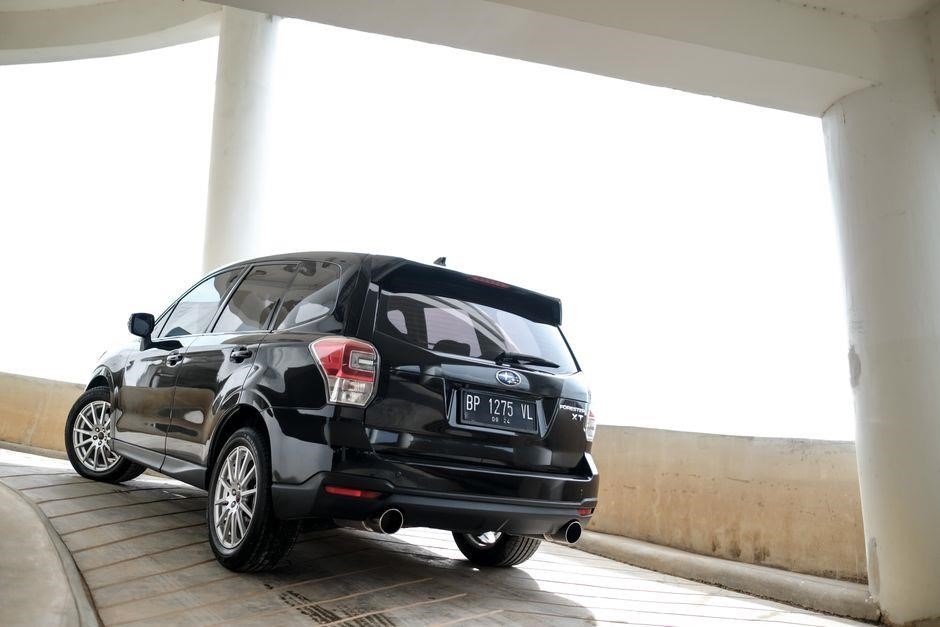
Subaru’s official maintenance schedule for the 2017 Forester is published as a PDF by the manufacturer and can be accessed through several legitimate channels. The most reliable source is the official Subaru website’s “Owner’s Resources” section‚ where the PDF is available for free download after logging in with a valid vehicle identification number (VIN). The document is also distributed by Subaru’s authorized dealerships during the initial vehicle hand‑over and can be requested at any service center. In addition‚ the Subaru Owners Club and the Subaru Owners Association provide a link to the PDF on their member portals‚ ensuring that owners can keep a copy on hand for quick reference! The file is updated annually to reflect any changes in warranty coverage or recommended service intervals‚ so it is advisable to check for the latest version each year. By using the OEM PDF‚ owners guarantee that they are following Subaru’s exact specifications for maintenance‚ which is essential for preserving warranty validity and maintaining optimal vehicle performance. It is also the preferred reference for technicians performing service‚ as it contains detailed diagrams‚ torque specifications‚ and part numbers that are not found in third‑party guides. For quick access‚ bookmark the direct link to the PDF on the Subaru site‚ and consider saving a copy to a USB drive or cloud storage for use during travel or when a dealership is not nearby. This ensures that the official maintenance schedule is always available‚ regardless of internet connectivity or dealership availability!
Third-Party PDF Sources
While Subaru’s official PDF is the most authoritative reference‚ many owners turn to third‑party sites for convenience‚ cost savings‚ or offline access. Popular sources include Subaru Owners Manuals‚ Owners Manuals‚ and ManualsLib. These platforms host user‑uploaded PDFs that mirror the OEM layout‚ often with added annotations or translations. Another common option is the AutoCheck and NHTSA databases‚ which provide maintenance schedules alongside safety recall information. For those who prefer a community‑driven approach‚ Reddit’s r/SubaruForester and r/Subaru forums feature threads where members share links to PDFs‚ discuss discrepancies‚ and offer tips on interpreting the schedule. It is important to verify that the third‑party PDF matches the OEM version; discrepancies can arise from outdated uploads or regional variations. A quick way to confirm accuracy is to cross‑check key milestones—such as the 5‚000‑mile oil change or the 15‚000‑mile inspection—against the official Subaru site. When downloading from third‑party sites‚ ensure the file is free of malware by scanning with an up‑to‑date antivirus program. Finally‚ many automotive repair shops and mobile service apps (e.g.‚ Firestone Complete Auto Care) provide downloadable maintenance schedules that are tailored to the 2017 Forester’s trim level‚ making them a practical alternative for owners who need a quick reference without logging into the manufacturer’s portal. Owners can also find the schedule in the infotainment system under maintenance‚ which shows upcoming service dates by mileage and time. Some third‑party mobile apps sync with OBD data to give real‑time alerts for maintenance tasks. These alerts help owners stay ahead of checks and prevent breakdowns!!??
Typical Maintenance Intervals
Owners of the 2017 Subaru Forester can rely on a clear set of mileage‑based checkpoints that keep the vehicle running smoothly and protect its resale value. The schedule is organized around the engine‚ drivetrain‚ safety systems‚ and interior comfort‚ with each milestone tailored to the Forester’s 2.5‑liter boxer engine and all‑wheel‑drive architecture. Below is a concise summary of the most common service intervals‚ expressed in miles and‚ when applicable‚ in calendar time. These guidelines are drawn from Subaru’s official maintenance booklet and are widely confirmed by independent repair shops and online forums.
- Every 5‚000 miles (or 6 months‚ whichever comes first): Inspect and replace the engine oil filter‚ check the engine oil level‚ and examine the air intake system.
- Every 10‚000 miles (or 12 months): Replace the cabin air filter‚ inspect the brake system for wear‚ and verify tire tread depth and pressure.
- Every 15‚000 miles (or 18 months): Perform a comprehensive brake inspection‚ replace brake fluid‚ and assess the condition of the suspension components.
- Every 20‚000 miles (or 24 months): Conduct a full fluid check‚ including coolant‚ power steering‚ and differential fluids‚ and inspect the timing belt for wear if applicable.
- Every 30‚000 miles (or 36 months): Replace the engine oil and filter‚ inspect the transmission fluid level and condition‚ and evaluate the condition of the spark plugs.
- Every 60‚000 miles (or 72 months): Replace the timing belt (if equipped)‚ perform a detailed inspection of the cooling system‚ and check the condition of the drive shafts.
- Every 100‚000 miles (or 120 months): Conduct a full mechanical inspection‚ including the engine‚ transmission‚ and all critical safety components‚ and update any necessary software or firmware.
These intervals are designed to address the most common wear points while balancing cost and convenience. They also align with Subaru’s warranty terms‚ ensuring that routine maintenance is covered under the manufacturer’s service plan. By adhering to this schedule‚ owners can avoid unexpected repairs‚ maintain optimal fuel efficiency‚ and preserve the Forester’s reliability for years to come. Additionally‚ seasonal adjustments may be necessary in extreme climates‚ and owners should consult the owner’s manual for region‑specific recommendations.

Oil Change Schedule
For the 2017 Subaru Forester‚ the manufacturer recommends changing the engine oil every 5‚000 miles or six months‚ whichever comes first‚ when the vehicle is driven under normal conditions. If the Forester is operated in severe driving environments—such as extreme heat‚ heavy traffic‚ or frequent short trips—the interval can be shortened to 3‚000 miles or three months. The oil used should be a 5W‑30 synthetic blend that meets Subaru’s specifications‚ such as API SN or higher‚ and is compatible with the 2.5‑liter boxer engine’s cooling demands. In addition to the oil‚ the oil filter must be replaced at each change to prevent contaminants from entering the crankcase. Subaru’s OEM filter is available from the dealer‚ but many owners opt for a high‑performance aftermarket filter that offers a longer service life and improved filtration efficiency. The oil change process should also include a check of the oil level‚ a visual inspection of the engine bay for leaks‚ and a reset of the maintenance reminder light if the vehicle is equipped with an electronic service schedule. Proper disposal of used oil and the filter is required by environmental regulations; most service centers provide a recycling program. By adhering to this schedule‚ owners can maintain optimal engine lubrication‚ reduce wear‚ and preserve fuel economy.
Owners should also monitor oil color; a dark‚ gritty tint signals contamination may call for an earlier change. Subaru’s 10‑year/100‚000‑mile warranty covers oil changes at authorized dealers‚ ensuring service.
Engine Oil Filter Replacement
Subaru recommends replacing the engine oil filter at every oil change‚ typically every 5‚000 miles or six months under normal driving conditions. In severe environments—such as high temperatures‚ dusty roads‚ or frequent short trips—the interval can be shortened to 3‚000 miles or three months. The filter’s role is to trap metal shavings‚ dirt‚ and other particulates that could damage bearings or reduce oil flow. Using a filter that meets Subaru’s specifications‚ such as the OEM part number 0H-5A-100‚ ensures proper fit and sealing. Many owners choose high‑performance aftermarket filters (e.g.‚ Mobil 1‚ Bosch‚ or K&N) that offer tighter filtration and longer life‚ but they must still match the engine’s pressure and flow requirements. The replacement procedure is straightforward: lift the vehicle‚ drain the old filter‚ remove the seal‚ install the new filter‚ and re‑install the seal. Afterward‚ refill the engine with the recommended 5W‑30 synthetic oil‚ check the level‚ and reset the maintenance light if applicable. Proper disposal of the used filter is required by local regulations; most service centers accept them for recycling. Failure to replace the filter can lead to accelerated wear‚ decreased fuel economy‚ and potential engine damage‚ especially in the Forester’s boxer engine where oil circulation is critical. Regular filter changes also help maintain the warranty‚ as Subaru’s 10‑year/100‚000‑mile warranty covers oil and filter changes performed at authorized dealers. Owners should verify the filter’s pressure rating matches engine specs to avoid leaks and!!
Transmission Fluid Change

Subaru recommends changing the automatic transmission fluid (ATF) in the 2017 Forester every 30‚000 miles or 36 months‚ whichever comes first‚ to preserve shift quality and protect the torque converter. For manual transmissions‚ the interval is typically 60‚000 miles or 72 months. The manufacturer specifies Subaru ATF+ (SP-2) for the automatic gearbox and a 5W‑30 ATF for the manual‚ ensuring optimal viscosity and additive protection. The change procedure involves draining the old fluid through the fill plug‚ flushing the system with fresh ATF‚ and refilling to the marked level. A filter replacement is optional but recommended for models equipped with a transmission filter; a new filter can extend fluid life and improve shift response. Using a high‑quality ATF that meets Subaru’s specifications prevents sludge buildup‚ reduces wear on clutches and gears‚ and maintains the transmission’s sealed‑system integrity. Regular fluid changes reduce overheating risk‚ extending the torque converter’s daily lifespan. Many owners opt for a “flush” service that replaces all fluid and filter in one visit‚ while others perform a “partial change” that only replaces the fluid. Service centers typically include a pressure test and a visual inspection of the fluid’s color and odor. Owners should keep a log of each change to stay within warranty limits‚ as Subaru’s 10‑year/100‚000‑mile warranty covers transmission fluid changes performed at authorized dealers. Proper maintenance also helps preserve resale value and ensures the Forester’s renowned reliability. Now
Brake Fluid and Pad Replacement
Subaru recommends inspecting the brake fluid every 15‚000 miles and replacing it every 30‚000 miles or 36 months‚ whichever comes first‚ to maintain hydraulic pressure and prevent corrosion. The 2017 Forester uses a DOT‑4 fluid that must be kept clear of moisture; a color change to brown or a metallic sheen indicates contamination. Replacement involves bleeding the system to remove air pockets‚ ensuring consistent pedal feel and stopping distance. Brake pads should be inspected at each fluid change; wear indicators or a pad thickness below 3 mm trigger a replacement. The OEM pads are designed to match the front and rear rotor sizes‚ offering balanced braking and reduced noise. Subaru’s maintenance schedule specifies a 10‚000‑mile interval for front pad replacement and 20‚000 miles for rear pads‚ though driving conditions such as frequent stop‑and‑go traffic or heavy towing can accelerate wear. Using the correct pad material—ceramic for quiet operation or semi‑metallic for higher performance—helps meet the vehicle’s braking standards. A complete brake service includes rotor inspection for cracks or warping; if rotor thickness falls below the manufacturer’s minimum‚ a resurfacing or replacement is required. Proper brake maintenance not only preserves safety but also protects the ABS system‚ which relies on accurate hydraulic pressure. Regular service keeps the Forester’s braking system reliable and extends the life of the brake components‚ ensuring that owners can drive confidently in all weather conditions. Owners should log daily stay within Subaru’s warranty limits.
Tire Rotation and Balancing
For the 2017 Subaru Forester‚ Subaru’s maintenance guide recommends rotating tires every 5‚000 miles or six months‚ whichever comes first‚ to even out tread wear and extend life. The rotation pattern typically follows a forward‑cross sequence: front tires move to the rear on the same side‚ and rear tires move to the front on the opposite side. This pattern balances wear on the front‑driven wheels and keeps the vehicle’s handling predictable. Balancing should be performed at the same time as the rotation‚ using a high‑precision wheel balancer to detect any imbalance that could cause vibration or uneven tire wear. After balancing‚ a quick check of the wheel alignment is advised; misalignment can accelerate wear and reduce fuel efficiency. Tire pressure should be verified and adjusted to the manufacturer’s recommended 32 psi (front) and 30 psi (rear) at the time of rotation. If the vehicle is frequently driven on rough roads or in heavy traffic‚ Subaru suggests a more frequent rotation schedule of every 3‚000 miles. Proper tire maintenance improves traction‚ reduces fuel consumption‚ and keeps the Forester’s all‑wheel‑drive system operating smoothly. Owners should keep a log of rotation dates and mileage to stay on schedule and avoid unnecessary wear. Additionally‚ when rotating‚ it is prudent to inspect each tire for sidewall damage‚ punctures‚ or uneven tread patterns that may indicate a need for replacement. The torque specification for the wheel studs on a 2017 Forester is 120 ft‑lb (162 N‑m); using a calibrated torque wrench ensures the wheel is secured correctly and reduces the risk of wheel loosening. For vehicles that use winter or all‑season tires‚ Subaru recommends performing a separate rotation cycle when switching between tire types‚ as the tread compounds differ and can affect handling. Finally‚ a post‑rotation inspection of the brake rotor and caliper assembly is recommended‚ because uneven tire wear can influence brake performance and rotor temperature. By following this comprehensive rotation and balancing routine‚ owners can maintain optimal vehicle dynamics‚ extend tire life‚ and preserve the Forester’s resale value. During each rotation‚ inspect wheel bearings for play‚ check tire sidewalls for cuts or bulges‚ and verify lug nuts are torqued to 120 ft‑lb. For winter use‚ consider a snow‑tire rotation schedule to maintain traction. Documenting each service helps track warranty coverage!!!

Cabin Air Filter Replacement

Subaru recommends changing the cabin air filter every 15‚000 miles or once a year‚ whichever comes first‚ to maintain HVAC efficiency and cabin air quality. The filter is located behind the glove box; removing the panel reveals a rectangular filter housing. Use a flathead screwdriver to lift the panel‚ then pull out the old filter. Install the new filter with the airflow arrow pointing toward the HVAC vents. After replacement‚ reassemble the panel and ensure it is sealed to prevent dust ingress. A clogged filter can reduce airflow‚ increase HVAC system strain‚ and elevate cabin temperature.

Owners should inspect the filter visually for dust buildup; if it appears dark or clogged‚ replace it immediately‚ even if mileage is below the recommended interval. For drivers in dusty or high‑pollution areas‚ consider a more frequent replacement schedule of every 10‚000 miles. The cost of a replacement filter is typically $15–$25‚ and the procedure takes about five minutes. Proper filter maintenance improves air quality‚ reduces allergens‚ and keeps the HVAC system running smoothly‚ enhancing overall driving comfort.
Always check the filter’s orientation before installing; incorrect orientation can impede airflow and cause HVAC noise. Keep a maintenance log to track filter changes and mileage‚ ensuring compliance with Subaru’s warranty service schedule. The cabin air filter is a low‑cost‚ high‑impact component that protects occupants from pollen‚ exhaust fumes‚ and airborne pollutants‚ especially important for families and commuters in urban environments. Replacing the filter also helps maintain the HVAC’s de‑humidifying function‚ preventing mold growth on interior surfaces. If the vehicle is equipped with a dual‑stage filter system‚ replace both stages at the same interval to preserve filtration efficiency. Finally‚ after each replacement‚ test the HVAC system by cycling through all fan speeds; a properly installed filter should not alter airflow or temperature settings.
Subaru recommends changing the cabin air filter every 15‚000 miles or once a year‚ whichever comes first‚ to maintain HVAC efficiency and cabin air quality. The filter is located behind the glove box; removing the panel reveals a rectangular filter housing. Pull out the old filter and install a new one with the airflow arrow pointing toward the HVAC vents. After replacement‚ reassemble the panel and ensure it is sealed to prevent dust ingress. A clogged filter can reduce airflow‚ increase HVAC system strain‚ and elevate cabin temperature.
Owners should inspect the filter visually for dust buildup; if it appears dark or clogged‚ replace it immediately‚ even if mileage is below the recommended interval. For drivers in dusty or high‑pollution areas‚ consider a more frequent replacement schedule of every 10‚000 miles. The cost of a replacement filter is typically $15–$25‚ and the procedure takes about five minutes. Proper filter maintenance improves air quality‚ reduces allergens‚ and keeps the HVAC system running smoothly‚ enhancing overall driving comfort.
Always check the filter’s orientation before installing; incorrect orientation can impede airflow and cause HVAC noise. Keep a maintenance log to track filter changes and mileage‚ ensuring compliance with Subaru’s warranty service schedule. The cabin air filter is a low‑cost‚ high‑impact component that protects occupants from pollen‚ exhaust fumes‚ and airborne pollutants‚ especially important for families and commuters in urban environments. Replacing the filter also helps maintain the HVAC’s de‑humidifying function‚ preventing mold growth on interior surfaces.

Multi-Point Inspection Milestones
Subaru’s 2017 Forester multi‑point inspection schedule is designed to catch wear and potential issues before they become costly repairs. At 15‚000 miles the first major check includes a full brake assessment‚ tire tread depth and pressure verification‚ wheel alignment check‚ and a comprehensive fluid level review. The technician also examines the suspension bushings‚ steering linkage‚ and the vehicle’s electronic control modules for fault codes. A 30‚000‑mile inspection adds a detailed engine diagnostic‚ transmission fluid level check‚ and a review of the cooling system for leaks or corrosion. The 45‚000‑mile milestone shifts to the drivetrain‚ inspecting the differential and transfer case for fluid condition‚ as well as inspecting the exhaust system for leaks or corrosion. The 60‚000‑mile milestone incorporates a full battery health test‚ alternator output check‚ and a thorough inspection of the braking system‚ including pad wear and rotor condition. Each inspection also includes a review of the vehicle’s safety systems: airbags‚ seat‑belt pretensioners‚ and the anti‑roll bar. The technician will record all findings in the service log‚ ensuring that any anomalies are addressed promptly. Following Subaru’s recommended intervals not only keeps the Forester compliant with warranty requirements but also extends the vehicle’s lifespan by preventing small problems from escalating. Regular multi‑point inspections are a key component of proactive vehicle care‚ providing owners with peace of mind and a reliable‚ safe driving experience. Maintaining a log ensures
Cost Estimates for Maintenance
Owners of the 2017 Subaru Forester can anticipate a wide range of maintenance costs that vary by service type‚ location‚ and whether parts are OEM or aftermarket. A routine oil change with 5W‑30 synthetic typically costs between $45 and $70 at a dealership‚ while a reputable independent shop may charge $35 to $55. Replacing the engine oil filter generally adds $10 to $20 to the bill. Transmission fluid changes‚ required every 30‚000 miles‚ run $150 to $250 at a dealer and $120 to $200 elsewhere. Brake pad replacement on the front set averages $120 to $200 per axle‚ with rear pads‚ slightly cheaper; rotors‚ if needed‚ can add $80 to $150 each. Tire rotations and balancing are bundled in most service packages for $30 to $50‚ and a full tire replacement (four 205/55R16 tires) can range from $400 to $700 depending on brand and warranty; Cabin air filter swaps are inexpensive‚ typically $15 to $30. Coolant flushes cost $80 to $120 at a dealership‚ and $60 to $90 at an independent shop. Multi‑point inspections‚ which include a thorough diagnostic and fluid checks‚ can cost $100 to $200. Labor rates vary by region; in the Midwest‚ average labor is $80 per hour‚ while in coastal areas it can reach $120. Parts prices also fluctuate; OEM components are usually 10–20% higher than aftermarket equivalents. When factoring in warranty coverage‚ the first 15‚000 miles of routine maintenance are often covered‚ reducing out‑of‑pocket expenses. Overall‚ a typical‚ annual maintenance cycle for a 2017 Forester might total between $500 and $1‚200‚ depending on mileage and driving conditions and costs.
Warranty Coverage and Service Plans
Subaru’s 2017 Forester comes with a 3‑year/36‚000‑mile bumper‑to‑bumper warranty and a 5‑year/60‚000‑mile powertrain warranty. The manufacturer also offers a complimentary 15‚000‑mile and 30‚000‑mile multi‑point inspection under the “Warranty Maintenance” program. These inspections cover fluid levels‚ filter changes‚ brake pad wear‚ tire condition‚ and a basic diagnostic scan. For owners seeking extended protection‚ Subaru’s “Added Security Maintenance Plan” (ASMP) can be purchased. ASMP includes all OEM‑recommended maintenance up to 60‚000 miles‚ covering oil changes‚ filter replacements‚ fluid top‑ups‚ and tire rotations. The plan also provides coverage for the 15‚000‑mile and 30‚000‑mile inspections‚ and includes a 24‑hour roadside assistance package. Pricing for ASMP varies by region but typically ranges from $200 to $350 for the full 60‚000‑mile coverage‚ with a prorated option for 30‚000 miles at roughly $120 to $180. Independent service centers may offer their own extended warranty packages‚ often bundling routine maintenance with repair coverage for a flat fee. Owners should compare in‑network and out‑of‑network service costs‚ as dealership rates may be higher. Documentation of maintenance under warranty or a plan is essential for resale value‚ demonstrating adherence to Subaru’s schedule. Owners can access the PDF schedule via Subaru’s website or a dealer‚ ensuring covered services are performed at authorized facilities. The 2017 Forester’s warranty structure encourages regular upkeep‚ reducing long‑term repair costs and preserving vehicle reliability throughout its lifespan. Check log now!!

Downloading and Printing the PDF
To retrieve the 2017 Subaru Forester maintenance schedule‚ open the Subaru Owners portal and locate the “Owner’s Manual” library. Within the 2017 section‚ click the “Download PDF” icon adjacent to the maintenance schedule entry. The browser will launch the document in a new tab; from there‚ use the print shortcut (Ctrl + P on Windows‚ Cmd + P on macOS) to generate a hard copy. Adjust the page orientation to portrait‚ choose a printer‚ and confirm the print job. If you prefer a digital copy‚ simply save the PDF to your local drive or a USB stick for offline access.
For users on smartphones or tablets‚ the Subaru mobile site offers a streamlined download button. Tap the icon‚ then select “Save PDF.” The file opens in the device’s native viewer; from the share menu‚ choose “Print” to send the document to a Wi‑Fi‑enabled printer. If the official site is blocked in your region‚ contact a certified Subaru dealer; they can provide a direct link or a physical copy of the maintenance schedule. Always check the PDF’s header for the revision date to ensure you are viewing the most current version.
Once the PDF is downloaded‚ consider backing it up to a cloud storage service such as Google Drive‚ OneDrive‚ or Dropbox. This guarantees accessibility from any computer or mobile device and protects against data loss. When printing‚ use a color printer to keep the schedule’s color‑coded sections intact; If you need to annotate the document‚ PDF editors like Adobe Acrobat or Foxit allow you to add sticky notes and highlight key intervals. Print the PDF in double sided mode to save paper and reduce clutter.

After printing‚ trim the edges and staple the pages together to create a durable reference guide. Store the hard copy in a glove compartment or a dedicated maintenance binder‚ and keep the digital version on a thumb drive for travel. Regularly review the schedule before each service visit to verify that all recommended intervals—oil changes‚ filter replacements‚ fluid top‑ups‚ and inspections—are up to date. By following these steps‚ you maintain a reliable record that supports both routine upkeep and warranty compliance.